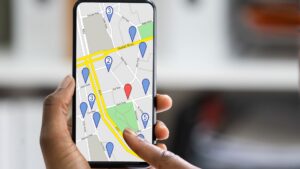

The Google map pack is the short list of local businesses with a map that appears when someone searches for something nearby. Google picks who shows up based on three things: relevance, distance, and prominence. You can’t control distance, and you can’t pay for a better local ranking, but you can improve relevance and prominence by claiming and verifying your Google Business Profile, filling it out completely, keeping it accurate, and earning reviews. Here’s a step by step guide to doing it right.
What the Map Pack Is (and Why It Matters)
When someone searches for “plumber near me” or “HVAC repair in Brighton,” Google often shows a map with three businesses at the top. That’s the map pack, sometimes called the local pack. It sits above the regular website results, so it’s some of the most valuable space on the page.
If you’ve read our post on why local SEO matters, you know why it’s worth fighting for. This post is the how to. We’ll walk through what Google says it looks at, and then what to do about it.
How Google Decides Who Shows Up
According to Google’s own explanation of local ranking, local results are based mainly on three factors.
Relevance. How well your Business Profile matches what someone is searching for. Complete, detailed information helps Google understand what you do.
Distance. How far your business is from the person searching. If they don’t share their location, Google uses its best estimate.
Prominence. How well known your business is. Google says this can include links from other websites and your review count and ratings.
Google also states plainly that there’s no way to request or pay for a better local ranking. That’s worth knowing, because plenty of companies will promise one.
You can’t change where a searcher is standing. What you can do is give Google the best possible information about relevance and build your prominence.
Step 1: Claim and Verify Your Profile
If you haven’t already, search for your business and claim the profile, or create one. Then verify it. Google says verifying shows it that you’re authorized to represent the business, which makes it more likely to appear in results.
Step 2: Fill Out Every Section
Google says businesses with complete and accurate information are more likely to show up in local search results. Don’t leave sections blank. Here’s what to cover:
Business name. Use your real business name, the one customers know and that matches your signage and website. Don’t add keywords to it.
Primary category. Pick the category that best describes what you do. Add secondary categories only if they truly apply.
Services. List the services you actually offer, using plain language customers would search for.
Business description. Explain who you are, what you do, and where you work, written for people instead of stuffed with keywords.
Hours. Google recommends listing your regular hours as well as any special hours. Update them for holidays.
Phone number and website. Use a number that gets answered and a website link that goes to a useful page.
Service area or address. If customers come to you, show your address. If you travel to customers, set up the areas you serve.
Photos. Add real photos of your team, your work, your trucks, and your location.
Step 3: Keep Your Information Consistent Everywhere
Your name, address, and phone number should match across your Business Profile, your website, and online directories. Mismatches confuse Google and customers. When you move, change your number, or update hours, update all of them at once.
Step 4: Get Reviews (and Reply to Them)
Google says more reviews and positive ratings can help your local ranking. It also says replying to reviews shows that you value feedback. Both matter.
Ask every happy customer. The best time is right after a job is done. Send a direct link to your review page by text or email.
Reply to every review. Thank the positive ones. Respond to the negative ones calmly, with facts and an offer to make it right.
Never fake reviews. It violates Google’s rules, and it can get your listing in trouble.
Step 5: Build Prominence Off Google, Too
Google lists links from other websites as part of prominence. Local mentions help here: your chamber of commerce, local sponsorships, community events, and partner businesses. A strong, helpful website with local content supports it too.
Step 6: Keep Your Profile Active
A profile that’s set up once and forgotten can fall behind. Check it regularly:
- Make sure your hours, phone number, and services are still right.
- Add new photos of recent work.
- Respond to new reviews within a day or two.
- Look at your profile’s performance numbers to see how many people call, visit your site, or ask for directions.
Common Mistakes That Hold Businesses Back
An unverified profile. It’s one of the easiest wins you can get.
Wrong or missing categories. If Google doesn’t know what you do, it can’t match you to searches.
Keyword stuffing the name. It violates the guidelines and can get you in trouble.
Ignoring reviews. Unanswered reviews, especially negative ones, send a message.
Inconsistent information. Different phone numbers or addresses across the web make you look less reliable.
Using a fake address. A PO box or a made up location can get a listing suspended.
How WebHorse Marketing Can Help
WebHorse Marketing is a digital marketing agency in Hartland, Michigan. We help local businesses set up and optimize their Google Business Profiles, build their reviews, and tie it all in with a website that supports local search.
If you’d like to know where your business stands, we offer a free website and SEO audit and a free 30 minute strategy call. Get in touch and we’ll take a look.
Frequently Asked Questions
What is the Google map pack?
It’s the group of local businesses, usually three, that Google shows with a map when someone searches for something nearby. It appears above regular website results, which makes it very valuable for local businesses.
How does Google decide who shows up in the map pack?
Google uses three main factors: relevance, distance, and prominence. Relevance is how well your profile matches the search. Distance is how far you are from the searcher. Prominence is how well known your business is, including reviews and links from other websites.
Can I pay to rank higher in the map pack?
No. Google says there’s no way to request or pay for a better local ranking. You can improve your chances by completing and verifying your profile, keeping information accurate, and earning reviews.
Do reviews help me show up in the map pack?
Yes. Google says more reviews and positive ratings can help your local ranking. Replying to reviews also shows that you value customer feedback.
Do I need to verify my Google Business Profile?
Yes. Verifying shows Google you’re authorized to represent the business, which makes your profile more likely to appear in local results.
What should my primary business category be?
Choose the category that best describes your main service. It’s one of the most important parts of your profile, because it helps Google match you to the right searches. Add secondary categories only if they truly apply.
How long does it take to show up in the map pack?
It varies. Verifying and completing your profile can help quickly, but reviews and prominence build over time. Competition in your area also plays a role.
Does WebHorse Marketing help with Google Business Profiles?
Yes. We help local businesses set up, optimize, and manage their profiles as part of our SEO work. You can start with a free website and SEO audit or a free 30 minute strategy call.